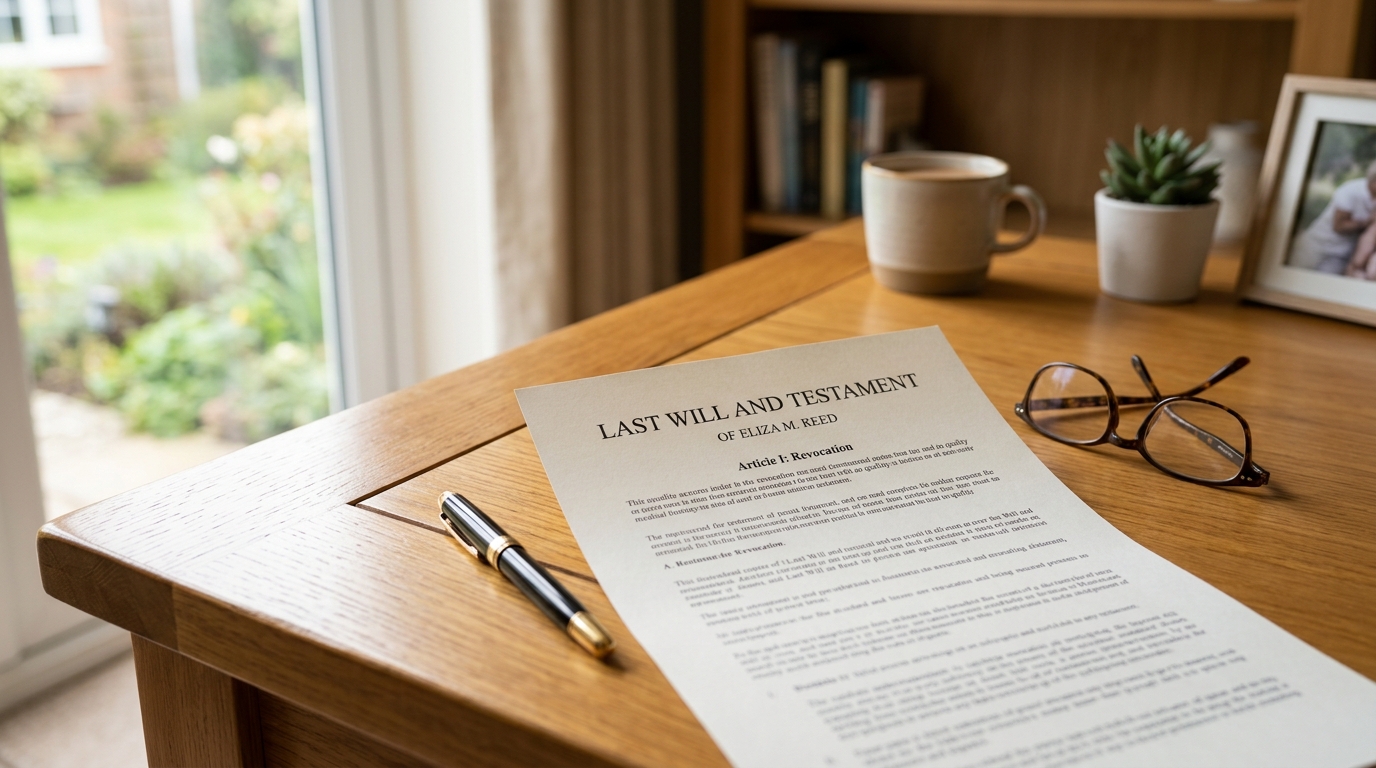
Components of a Will in California: A Guide for Seniors and Families
Understanding the components of a will in California is one of the most important steps seniors and families can take when preparing for the future. A properly written will helps protect loved ones, clarify final wishes, and reduce unnecessary stress during emotionally difficult times.
Many people assume wills are only necessary for wealthy families or complicated estates. In reality, almost everyone can benefit from understanding the basic components of a will in California — especially homeowners, caregivers, retirees, and adult children helping aging parents organize their affairs.
Whether you are preparing your own estate plan or helping a loved one navigate important life transitions, knowing how a will works can provide peace of mind and help your family avoid confusion later.
Table of Contents
- What Are the Components of a Will in California?
- Who Can Create a Will in California?
- Essential Components of a Will in California
- Why Wills Matter for Seniors
- Common Mistakes Families Make
- How to Update a Will in California
- Frequently Asked Questions
What Are the Components of a Will in California?
The components of a will in California are the legal sections and instructions that explain how a person wants their assets, property, and responsibilities handled after death. A valid California will typically identifies beneficiaries, names an executor, and outlines how property should be distributed.
Without a valid will, the state of California determines how assets are distributed through intestate succession laws. Unfortunately, this can create unnecessary complications, delays, and disagreements for families already dealing with emotional stress.
For many seniors and adult children, understanding the components of a will in California is part of broader planning that may also include trusts, powers of attorney, healthcare directives, and long-term housing decisions.
Who Can Create a Will in California?
In California, a person must:
- Be at least 18 years old
- Be of sound mind
- Understand the nature of their assets and decisions
California recognizes several types of wills, including:
- Formal typed wills
- Holographic (handwritten) wills
- Statutory wills
However, even simple wills should be carefully prepared to ensure the components of a will in California are legally valid and clearly written.
Most wills require:
- The testator’s signature
- Two witnesses
- Clear language regarding asset distribution
Although notarization is not always required in California, many families choose additional legal guidance to reduce future disputes.
Essential Components of a Will in California
Understanding the essential components of a will in California can help families feel more organized and prepared.
| Component | Description |
|---|---|
| Testator Information | Identifies the person creating the will |
| Beneficiaries | Names the people or organizations receiving assets |
| Executor | Appoints the person responsible for carrying out the will |
| Asset Distribution | Explains how property and belongings should be divided |
| Guardianship | Names guardians for minor children if applicable |
| Final Wishes | May include funeral or burial preferences |
These components of a will in California work together to provide clear instructions and reduce uncertainty for surviving family members.
Why the Components of a Will in California Matter for Seniors
For seniors, estate planning is often about much more than money. It is about protecting dignity, reducing family stress, and ensuring loved ones have guidance during difficult moments.
Many older adults worry about:
- Burdening their children
- Family disagreements
- Long probate delays
- Protecting a family home
- Managing healthcare or long-term care decisions
Having the proper components of a will in California in place can help families avoid confusion and create a clearer path forward.
This is especially important for seniors who:
- Own real estate
- Have blended families
- Have reverse mortgages or HECMs
- Want to leave specific assets to loved ones
- Are navigating downsizing or major life transitions
Families often feel overwhelmed trying to organize everything at once. Estate planning is not simply a legal process — it is an emotional process too.
Special Considerations for Seniors With Real Estate
For many California seniors, the family home is their largest asset. Understanding how real estate fits into the components of a will in California is extremely important.
Some families may need to consider:
- Reverse mortgage obligations
- Property taxes
- Mortgage balances
- Probate implications
- Whether heirs plan to keep or sell the property
Adult children are often surprised to learn how many moving parts are involved when helping aging parents prepare a home for sale or transition into a new living situation.
At Surroundings Real Estate and Loans, we regularly help families navigate senior transitions with thoughtful planning, trusted vendor coordination, and education-focused guidance designed to reduce stress during emotional times.
Common Mistakes When Creating a Will in California
One of the biggest mistakes families make is assuming a will never needs updating.
Life changes quickly. Marriage, divorce, grandchildren, property purchases, retirement, and the loss of loved ones can all affect the components of a will in California.
Other common mistakes include:
- Forgetting to update beneficiaries
- Naming the wrong executor
- Using vague language
- Failing to properly witness the will
- Assuming handwritten notes are legally sufficient
- Not coordinating wills with trusts or financial accounts
Families also sometimes delay estate planning because the conversations feel uncomfortable. Unfortunately, waiting too long can create much larger problems later.
How to Update a Will in California
A will can usually be updated through:
- A codicil (an amendment)
- Creating an entirely new will
Major life changes are often good times to review the components of a will in California and make sure everything still reflects current wishes.
Experts generally recommend reviewing estate planning documents every few years or after significant changes involving:
- family
- finances
- health
- property ownership
Keeping documents updated can help families avoid unnecessary legal complications later.
Frequently Asked Questions
Can I write my own will in California?
Yes, California allows individuals to create their own wills. However, working with a qualified estate planning attorney can help ensure all components of a will in California are legally valid and properly executed.
What happens if someone dies without a will in California?
If someone dies without a will, California intestate succession laws determine how assets are distributed. This may not reflect the person’s actual wishes and can create additional stress for surviving family members.
Do seniors need both a trust and a will?
Many seniors benefit from having both. A will and trust serve different purposes depending on assets, privacy concerns, probate planning, and family goals.
Does a will avoid probate in California?
Not always. Certain assets may still pass through probate unless additional planning tools, such as trusts, are used.
Final Thoughts
Understanding the components of a will in California is not simply about paperwork. It is about protecting loved ones, creating clarity, and helping families move through major life transitions with less stress and uncertainty.
For many seniors and adult children, these conversations can feel emotional or overwhelming at first. However, thoughtful planning today can provide tremendous peace of mind for the future.
For additional estate planning information, visit:
- California Courts Probate Self-Help Guide
- California Department of Justice Estate Planning Resources
About the Author
Maggie B. Hopkins, SRES, is a Real Estate and Mortgage Broker with over 21 years of experience serving the Greater Sacramento area, specializing in senior real estate, reverse mortgage strategy, and major life transitions. As the owner of Surroundings Real Estate & Lending, she brings a comprehensive, full-picture approach—guiding clients through both real estate and financing with clarity and precision. Maggie is deeply committed to advocating for seniors and holds advanced designations including Senior Real Estate Specialist (SRES®) and Certified Aging-in-Place Specialist (CAPS®), along with certifications in Trust, Probate, and Estate Transitions and Reverse Mortgage and Senior Financial Planning.
Schedule Your Strategy Call
Creating a will is an essential step in planning for your future and ensuring your wishes are respected. If you’re ready to create or update your will, schedule a call with us today to receive personalized guidance and support. Our team is dedicated to helping you navigate the process with ease and confidence. Schedule Your Strategy Call now and take the first step towards securing your legacy.
Related Reading: Explore our Guide of the Best Sacramento 55+ Communities & Senior Living Communities
About Surroundings Real Estate & Lending