Davis · CA
Village Homes, Davis: Neighborhood Guide
Village Homes is a West Davis neighborhood begun in 1975 around passive solar homes, shared orchards and rainwater swales instead of storm drains.
What is Village Homes?
Village Homes is a planned neighborhood in West Davis built around the sun, rainwater and shared land. A January 2026 UC Davis article put it at 245 residences on 70 acres, with orchards, garden plots and common areas for growing food. Other sources count the homes and acres a little differently, depending on whether they include the apartments and the common land.
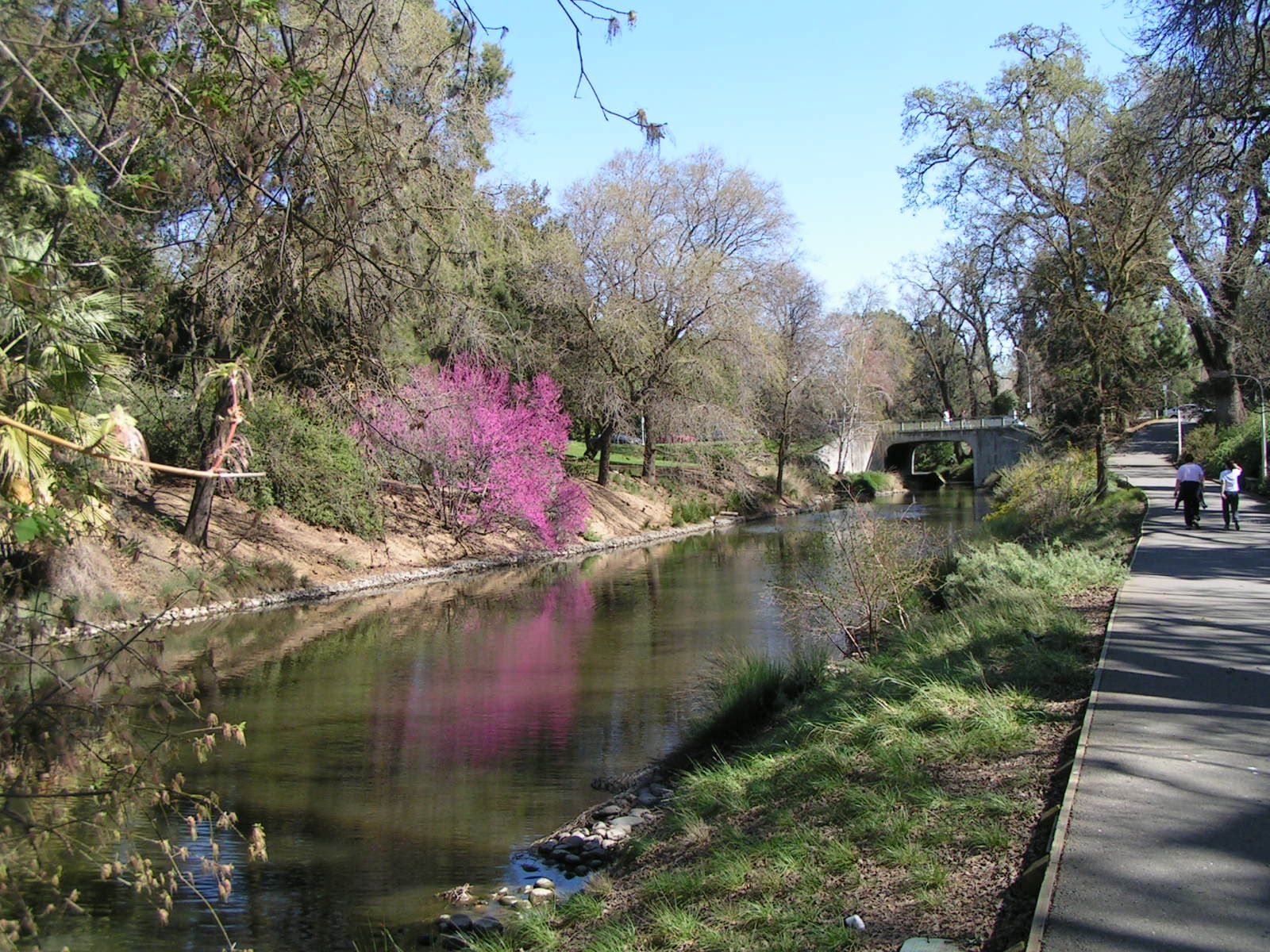
Walk in and the layout is the first thing you notice. Houses turn their backs to the streets and face shared green space behind them, crossed by footpaths and bike paths.
Talk With Maggie About Village Homes
How did Village Homes grow up?
Architect Michael Corbett and Judy Corbett began planning Village Homes in the 1960s, according to its Wikipedia entry. Ground broke in 1975, per UC Davis, and the neighborhood was built from south to north and finished in 1982.
It drew attention from the start. French President François Mitterrand toured it, and the neighborhood's approach to passive solar design was later taken up elsewhere in Davis and beyond. LocalWiki notes that many of the streets carry names from The Hobbit and The Lord of the Rings, and that Time magazine featured the neighborhood in 1999.
Some of the shared spaces were built close to home. LocalWiki credits several of the smaller playgrounds to UC Davis landscape architecture students working under Professor Kerry J. Dawson, himself a Village Homes resident. The common land also holds a small inn and space for a few businesses next to the community center.
What kind of homes are in Village Homes?
Village Homes is mostly single-family houses, plus a small number of apartments and a cooperative housing group. Every street runs east to west and every lot runs north to south, so each house gets a long south-facing side for winter sun. UC Davis describes passive solar heating and cooling in all of the houses.
The houses vary in size and style, and many have been updated since the 1970s and 1980s. Because the private yards are small and the shared land is large, the lot line on paper does not tell you much. What matters is what the house faces: a garden strip, an orchard, a path or the street.
How does the land work in Village Homes?
Instead of storm drains, Village Homes uses swales: shallow, planted channels that collect rainwater and let it soak into the ground. Wikipedia's entry explains that the water helps irrigate the common areas and the fruit and nut trees, cutting the need for treated city water.
Much of that land is owned in common and run by the Village Homeowners Association, whose office is at 2655 Portage Bay East, per LocalWiki. The same page lists a community center with an outdoor amphitheater, a pool, a large playing field, playgrounds, resident garden plots and vineyards among the shared spaces.
Which school district serves Village Homes?
Village Homes is served by Davis Joint Unified School District. Confirm the assigned school with the district directly.
What errands and routes are near Village Homes?
Russell Boulevard is the main route east toward campus and downtown, and a continuous bike path runs along the neighborhood's west edge, per LocalWiki. The University Retirement Community, a life plan community on Shasta Drive, is also in West Davis. See our University Retirement Community guide.
What should buyers in Village Homes know?
Read the HOA documents closely. In most neighborhoods the association handles a pool and some landscaping. Here it manages orchards, gardens, swales and paths that make up a big share of the land, and its rules shape what you can change about your house and yard.
Ask about the house's solar setup too. A 1970s passive solar design, a later rooftop solar system and any battery each work differently, and a leased system has paperwork that has to transfer with the sale. Maggie works the loan and the solar terms into one plan. Start with buying a home in Davis.
What should sellers in Village Homes know?
A Village Homes listing has to explain the neighborhood as well as the house, because buyers who come from outside Davis may never have seen a street plan like it. Show what the house faces, how the shared land works and what the dues cover.
Pricing takes care. There are few sales here in a given year, and comparing with tract homes elsewhere in West Davis misses what buyers are paying for. See selling your home in Davis for the full plan.
Work with a local team on Village Homes
Surroundings handles the house and the loan under one roof. Compare Village Homes with West Davis and Old North Davis, see the Davis guide, or book a call with Maggie.
Frequently Asked Questions
When was Village Homes built?
Ground broke in 1975, and the neighborhood was built from south to north and finished in 1982.
Who designed Village Homes in Davis?
Michael and Judy Corbett planned and developed it, beginning in the 1960s.
How many homes are in Village Homes?
A January 2026 UC Davis article counted 245 residences on 70 acres. Other sources give slightly different counts depending on what they include.
Does Village Homes have an HOA?
Yes. The Village Homeowners Association manages the shared orchards, gardens, swales, paths, pool and community center.
Are Village Homes houses solar?
They were designed for passive solar heating and cooling, with east-west streets and north-south lots. Rooftop solar varies by house.
What are the swales in Village Homes?
They are shallow planted channels that catch rainwater and let it soak in, used instead of storm drains to water the common areas and fruit and nut trees.
What school district serves Village Homes?
Village Homes is served by Davis Joint Unified School District. Confirm the assigned school with the district directly.
The method
How we do it in Village Homes
More of Davis
Ready to make your move with Surroundings?