Roseville · CA
Downtown and Old Town Roseville: Neighborhood Guide
This is the rail-town core along Vernon and Lincoln streets, with Royer Park, the Tower Theatre and the city's two bungalow districts.
What is Downtown and Old Town Roseville?
Downtown and Old Town Roseville is the original railroad town and the civic center that grew up beside it. The City of Roseville governs it through the Downtown Specific Plan, adopted in April 2009. That plan covers 176 acres split into 11 districts. Historic Old Town, the Vernon Street District, Royer Park and Saugstad Park all sit inside it.
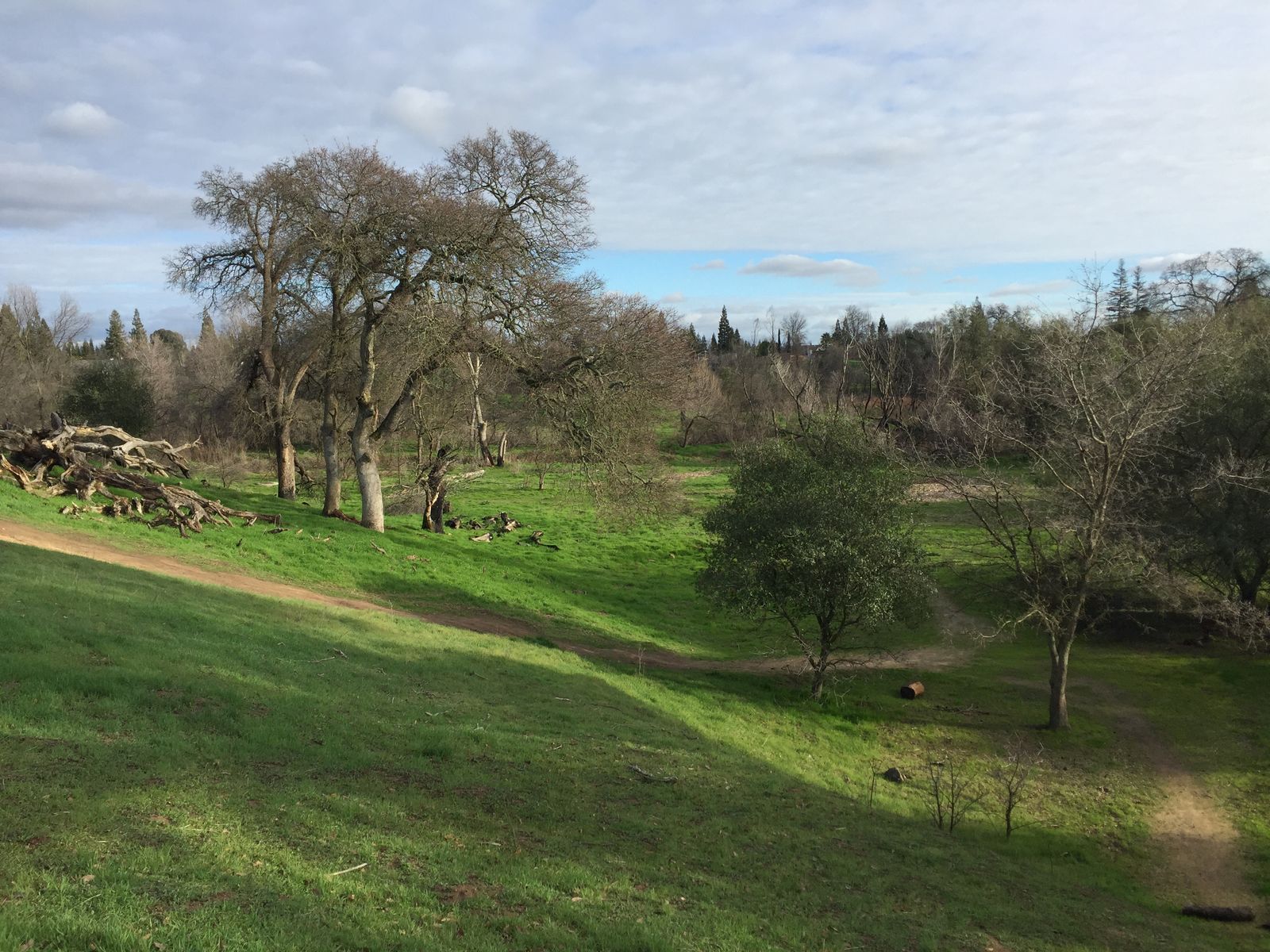
Two streets anchor the area. Vernon Street holds City Hall at 311 Vernon, the Roseville Transit office at 316 Vernon and the Tower Theatre. Historic Old Town grew along Lincoln Street, across the Union Pacific tracks from Vernon. Dry Creek winds past Royer Park.
Talk About Old Town Roseville
How did Downtown and Old Town Roseville grow up?
The Roseville Historical Society dates the start to 1864, when a Central Pacific crew laying track from Sacramento reached a crossing it called Junction. For decades Junction was a farm trading stop overshadowed by Rocklin. That changed in 1906, when the Southern Pacific moved its facilities to Roseville. The Society says residents put up more than 100 buildings between 1911 and 1914. The Carnegie Library was one of them.
Lincoln Street was the main business district through the 1920s. The Society notes that the Washington Boulevard underpass, finished in 1950, ended that role. In 1988 the city began a redevelopment plan for about 207 acres of the core, per Wikipedia. A downtown parking garage followed in 2007 and a new Civic Center in 2013.
What kind of homes are in Downtown and Old Town Roseville?
Most houses here sit in two small districts the plan calls Old Town Bungalow and Vernon Bungalow. The plan's land use table, last updated December 2014, sizes them at 12.38 and 11.58 acres. It counts 77 existing homes in Old Town Bungalow and 47 in Vernon Bungalow.
The plan expects change around those blocks. It allows about 1,020 new homes across downtown over its life, mostly apartments and condos at 13 or more units an acre. Only 52 of those new units go to the bungalow districts, at 7 to 12.9 units an acre. The plan names Washington Boulevard at Lincoln Street and city land on Pacific Street as catalyst sites for mixed-use or higher-density building.
How do you get around Downtown and Old Town Roseville?
Many errands can be done on foot. Royer Park's trail links to the Downtown Library, Town Square and Vernon Street, according to the city's park page. The Amtrak Capitol Corridor stops at the Roseville station downtown. Roseville Transit runs its local routes and commuter service from the Vernon Street office.
Washington Boulevard is the main north-south road under the tracks, and Douglas Boulevard leads east toward Interstate 80. A city trail project filed with the state would carry a path from the Royer and Saugstad park trail near Riverside Avenue and Darling Way east along Dry, Cirby and Linda creeks.
Which school district serves Downtown and Old Town Roseville?
Downtown addresses generally fall in the Roseville City School District for kindergarten through eighth grade and the Roseville Joint Union High School District for high school. Confirm the assigned school with the district directly.
What draws buyers to Downtown and Old Town Roseville?
Buyers come here for an older house, a short walk to a park and a theater down the street. Royer Park covers 17 acres the city bought from the Royer family in 1917. It has shaded picnic areas, a concert stage and a destination playground installed in 2023. Saugstad Park dates to 1975. It adds a dog park, two ball fields and a bike trail connection.
Vernon Street carries the evening plans. The Tower Theatre opened on Vernon in November 1940, and Magic Circle Theatre runs shows there. Monk's Cellar Brewery & Public House pours at 240 Vernon Street. The plan also waives on-site parking for restaurants in the Historic Old Town, Vernon Street and Dry Creek districts, which is meant to draw more of them.
What should sellers in Downtown and Old Town Roseville know?
Your buyer will ask about two things. The first is the Downtown Code. It is Chapter 19.31 of the Roseville Municipal Code and sets design, sign and use rules by district. A buyer planning an addition or a second unit should read the rules for your parcel before writing an offer.
The second is water. Dry Creek runs through the plan area. The city says the 1986 and 1995 floods showed parts of Roseville sit in a flood hazard area. It also notes that flood insurance through the national program is available whether or not a home is in the floodplain, with a 30-day wait before a policy starts. Pull the flood map for your address before you list. Then the answer is ready when the question comes.
Older homes also bring older systems. A pre-listing look at the sewer line, roof and electrical panel takes the surprises out of escrow.
Ready to talk about Downtown and Old Town Roseville?
Surroundings handles the home and, if you want it, the loan in one plan. See selling your home in Roseville or buying a home in Roseville. If you are comparing older and newer parts of town, read about Woodcreek Oaks and Stoneridge, or go back to the Roseville guide. When you are ready, talk with Maggie.
Frequently Asked Questions
When was the Downtown Roseville Specific Plan adopted?
The City of Roseville adopted the Downtown Specific Plan in April 2009. Its 176 acres span 11 districts. They include Historic Old Town, the Vernon Street District, Royer Park and Saugstad Park.
Why did Old Town Roseville lose its main street role?
The Washington Boulevard underpass ended Lincoln Street's run as the main business district when it was finished in 1950, according to the Roseville Historical Society.
How many homes are in the Old Town bungalow districts?
The plan's land use table, updated December 2014, counts 77 homes in Old Town Bungalow and 47 in Vernon Bungalow. It allows 52 more units across both districts.
How big is Royer Park?
Royer Park covers 17 acres, according to the city. Roseville bought the land from the Royer family in 1917, and a new destination playground went in during 2023.
Is there a train station in downtown Roseville?
Yes. The Amtrak Capitol Corridor stops at the Roseville station downtown.
Do downtown Roseville homes need flood insurance?
It depends on the address. The city says flood insurance is available whether or not a home is in a mapped floodplain, and policies take 30 days to start, so check the flood map before you buy or list.
What rules apply to remodeling a downtown Roseville home?
The Downtown Code sets design, sign and use rules for each downtown district. It is Chapter 19.31 of the Roseville Municipal Code. Read the rules for your parcel before planning an addition.
The method
How we do it in Downtown and Old Town Roseville
More of Roseville
Ready to make your move with Surroundings?